

AC maintenance guide is one of the most helpful things a Florida homeowner can have before the system starts acting up. A lot of people think about maintenance only after they have already noticed weak cooling, higher bills, warm rooms, or a system that seems like it is running harder than it should. The problem with that approach is simple: once you are already feeling a comfort issue, you may be past the point where a small preventive step could have saved you from a bigger repair.
That is why an AC maintenance guide matters. Good maintenance is not just about checking a box or saying the system was “looked at.” It is about protecting comfort, catching problems earlier, helping the system run more cleanly, and giving homeowners better odds of avoiding inconvenient breakdowns during the hottest times of the year. It is also one of the best ways to support long-term value from the system you already have.
In Florida, where air conditioners run hard for a long stretch of the year, maintenance matters even more. Heat, humidity, long run times, drain line issues, dirty filters, and general wear all add up over time. A homeowner who understands the basics of maintenance is in a much better position to protect comfort year-round and make smarter decisions about repairs, tune-ups, and replacement timing.
Table of Contents
Why an AC maintenance guide matters before there is a problem
A good AC maintenance guide helps homeowners think proactively instead of reactively. It is easy to assume the system is fine if it still turns on and produces cool air. But a lot of HVAC issues start quietly. Airflow may get a little weaker. The system may run a little longer. Humidity may creep up. A drain line may start building toward a backup. A dirty filter may begin restricting airflow. None of those things feel dramatic at first, but they can all grow into more frustrating problems if they go ignored.
That is why maintenance matters before there is an obvious breakdown. It gives the system a chance to be inspected while smaller issues are still smaller. It also gives the homeowner a better understanding of how the equipment is doing overall. Is the system still running as it should? Is there a part showing wear? Is airflow healthy? Is the drain line staying clear? These are the kinds of questions that matter long before the thermostat stops dropping.
For homeowners, the value is peace of mind and better visibility. You do not have to wait until the hottest week of the year to find out the system has been struggling. If your system is already showing performance issues, the next smart step is to review AC Repair and compare whether you are looking at a maintenance concern or a true repair need.
What AC maintenance usually includes
One of the most common homeowner questions in any AC maintenance guide is what maintenance actually includes. That is a good question, because people hear words like tune-up, maintenance, inspection, and service visit used interchangeably. In practice, real maintenance should go beyond just a quick glance at the equipment.
A proper maintenance visit is meant to evaluate the system, clean what needs attention, check the overall operation, and look for warning signs that may point to developing issues. That usually includes things like checking airflow, inspecting components, reviewing system performance, looking at drain line health, checking electrical connections, inspecting the condition of the equipment, and making sure the unit is operating the way it should.
Homeowners do not always need every technical detail, but they do need to know the purpose of the visit. Maintenance is there to support reliability, efficiency, and comfort. It is meant to reduce surprises and give the system a better chance of making it through the season without avoidable issues.
That is also why homeowners should not think of maintenance as something optional if they plan to keep the current system for years to come. If you want to see how routine upkeep fits into the bigger picture, visit AC maintenance and learn what consistent care can do for long-term comfort.
Why tune-ups matter so much in Florida
A strong AC maintenance guide has to be written with Florida in mind, because Florida systems do not get the same kind of break that systems in milder climates do. Air conditioners here run hard, often, and for long stretches. That kind of workload makes routine tune-ups more important, not less.
Heat and humidity create constant demand. Even when a system is not failing, it may still be accumulating wear. Filters get dirty faster when the system runs more. Drain lines become more important when moisture removal is happening day after day. Small airflow issues become more noticeable. Any loss of efficiency tends to show up faster when the AC is already working hard just to maintain normal indoor comfort.
That is one reason so many no-cool calls could have at least been spotted earlier with regular maintenance. Not every breakdown is preventable, but plenty of problems give warning signs before they turn into a full comfort emergency. In Florida, the cost of ignoring those warning signs is often a hotter, more stressful, more expensive outcome.
If you want to reduce the chances of a summer breakdown, now is a good time to consider biannual or annual maintenance and make tune-ups part of your normal home-comfort routine.
The best time to schedule maintenance in Florida
Another important part of any AC maintenance guide is timing. Homeowners often ask when they should schedule service, and the truth is that timing matters more than many people realize.
In Florida, it usually makes sense to stay ahead of the heaviest cooling demand rather than waiting until the system is already under pressure. If you wait until the hottest part of the season to think about maintenance, you may already be asking the equipment to perform at its peak without having checked whether everything is ready for that workload.
That does not mean there is only one acceptable time to maintain your system. The bigger point is consistency. A homeowner who stays on a regular schedule is almost always in a better position than the homeowner who only thinks about HVAC after something feels off. Whether you are using one visit a year or a twice-yearly approach, the main advantage is that the system is being looked at before problems have more time to build.
For homeowners who want the easiest way to stay consistent, this is exactly where maintenance plans become useful. They take the guesswork out of timing and make it easier to stay on track without having to remember every visit on your own.
Warning signs to watch for between maintenance visits
A complete AC maintenance guide should also explain that maintenance is not only about scheduled visits. Homeowners still need to pay attention between visits, because the system will usually show signs when something starts changing.
Some of the most common warning signs include:
- weaker airflow
- rooms cooling unevenly
- the system running longer than usual
- rising energy bills
- water around the equipment
- unusual cycling patterns
- stale-smelling airflow
- increased indoor humidity
- comfort dropping during the hottest part of the day
These signs do not always mean a major repair is around the corner, but they do mean the system deserves attention. Homeowners should not ignore them simply because the AC is technically still running. A system can be “working” and still not be working well.
This is where maintenance and repair start to overlap. Sometimes the issue is minor and can be addressed early. Sometimes it has already moved into repair territory. If your system is showing warning signs now, do not wait for it to get worse. Move from education into action by visiting schedule service or comparing symptoms on AC Repair.
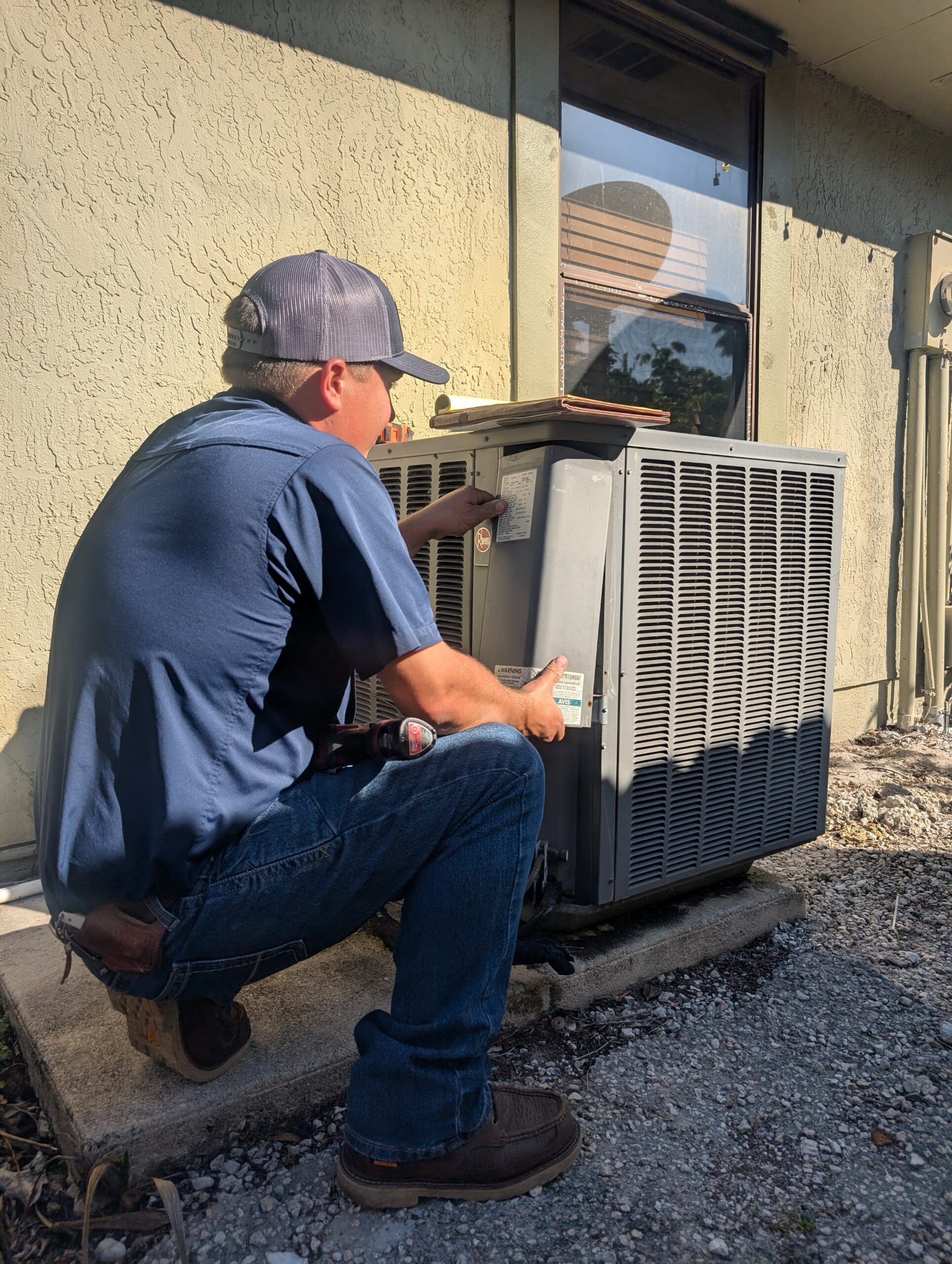
Filter care is one of the easiest maintenance habits homeowners can control
Any useful AC maintenance guide needs to spend time on filter care because it is one of the simplest and most important things a homeowner can stay on top of between professional visits. A dirty filter can reduce airflow, make the system work harder, and contribute to comfort problems that homeowners may mistake for something more serious.
That is part of why filter care deserves its own place in a maintenance conversation. Homeowners do not need to know every technical detail of the equipment to make a positive difference. Keeping up with filters is already a meaningful step. It supports airflow, reduces avoidable strain, and helps the system breathe better as it runs.
At the same time, filter care is not the whole maintenance picture. Changing the filter does not replace a real tune-up, but it does support it. The best results usually come when homeowners handle the basic habits and combine that with regular professional service.
If you want a deeper homeowner breakdown of filters, sizes, timing, and airflow impact, the next step is reading Home HVAC Filter Basics.
Drain line issues are small until they are not
Drain lines are one of the most overlooked parts of any AC maintenance guide, even though they are a major source of headaches for Florida homeowners. Air conditioning systems remove moisture from the air, and that moisture has to drain out properly. When the drain line begins to clog or back up, the result can range from nuisance issues to water problems and system shutdowns.
That is one reason drain line attention matters during maintenance. Homeowners do not always notice a drain line problem until there is already water where it should not be, the system has tripped a safety, or the AC has stopped operating the way it should. By that point, the issue feels sudden. In reality, it may have been developing quietly for some time.
This is exactly the kind of problem maintenance is meant to help catch early. Drain line issues are often preventable headaches when the system is being checked consistently. They are a great example of how small upkeep steps protect the homeowner from bigger frustrations later.
If you have ever dealt with water around the system, a backed-up drain, or a unit that shut off unexpectedly, do not wait for the next surprise. Schedule AC maintenance or go straight to schedule service and get ahead of it.
Why memberships matter for year-round comfort
One of the strongest points in this AC maintenance guide is that homeowners usually do better with a system in place than with good intentions alone. Most people mean to stay ahead on maintenance. Life just gets busy. Before they know it, another season has passed and the system is back under heavy load without being looked at.
That is why memberships matter. A good maintenance membership helps take maintenance from “something I should remember” into “something already built into the plan.” It helps homeowners stay consistent, reduces the odds of missed tune-ups, and supports a better long-term relationship with the equipment.
For Family Air Experts, maintenance plans are meant to make the process easier and more worthwhile for the homeowner. Whether it is the once-yearly Family Comfort Club or the twice-yearly Family Favorite Club, the bigger point is keeping the system on a real schedule and giving the homeowner better odds of staying ahead of avoidable problems.
This is also where maintenance shifts from being a reactive expense to a proactive comfort strategy. If you want a simpler way to protect your system and stay ahead of trouble, this is the right time to review maintenance plans and choose the option that fits your home best.
Maintenance can prevent some problems, but it cannot stop time
A balanced AC maintenance guide should be honest about what maintenance can and cannot do. Maintenance is valuable. It helps catch issues earlier, supports performance, and gives the system a better chance of operating well. But it does not make equipment immortal.
Every system ages. Every system reaches a point where repairs become more frequent, comfort becomes less consistent, and replacement starts making more sense. Good maintenance can help a system age better, but it cannot erase age entirely. That is why homeowners should think of maintenance as protection, not magic.
This matters because some homeowners begin to wonder whether maintenance is “worth it” if a system may still need replacement later. The answer is yes, because the goal is not perfection forever. The goal is better performance, fewer surprises, and more informed decisions along the way. Maintenance helps you get more useful life out of the system and gives you clearer visibility into when that system may be nearing its limit.
If your equipment is older and you are starting to wonder whether maintenance is still enough, compare your next move through AC installation guide and AC Installation so you can look at replacement proactively instead of waiting for an emergency.
What homeowners can do between professional maintenance visits
A good AC maintenance guide should leave homeowners with practical things they can do between visits without making them feel like they need to become technicians. Most homeowners are not looking to service their own systems in a technical sense. They just want to know how to support the system and avoid common preventable issues.
The biggest homeowner habits usually come down to consistency and awareness:
- change filters on time
- keep an eye on airflow
- notice temperature changes from room to room
- watch for rising humidity
- pay attention to unusual sounds or cycling
- keep the area around the outdoor unit reasonably clear
- do not ignore small warning signs
These habits matter because they help homeowners catch changes early. They also make maintenance visits more effective, since the system has not been neglected between service calls. Good maintenance is always a team effort between what the homeowner does consistently and what the professional checks more deeply.
If you want more practical homeowner habits that support system performance day to day, keep going with Air conditioner cooling tips and use those ideas alongside regular maintenance.
How maintenance supports repair decisions and replacement timing
One reason an AC maintenance guide is such strong pillar content is because maintenance sits right in the middle of the homeowner journey. It connects to everything.
A homeowner who keeps up with maintenance is usually better able to recognize when something changes. That makes repair decisions smarter, because there is more history and context behind the issue. It also makes replacement timing clearer, because you are not guessing as much about whether the system has been cared for or whether problems have been building for years.
In other words, maintenance makes everything else easier to understand. It helps homeowners move more confidently into AC Repair when a problem shows up. It helps them think more strategically about AC Installation when the system gets older. It also helps them make better use of educational content like Home HVAC Filter Basics, Air conditioner cooling tips, and AC installation guide.
That is why maintenance should never be seen as an isolated service. It is one of the strongest foundation pieces in the whole HVAC picture. If you want a more stable long-term path for your system, make AC maintenance the core habit that everything else builds on.
Choosing a company for maintenance is about more than checking a box
The final part of this AC maintenance guide may be the most important. Maintenance only helps as much as the company performing it helps. A rushed visit that barely looks at the system is not the same as a thoughtful visit that is meant to actually protect the homeowner.
Homeowners should want more than a checkbox service. They should want a company that is honest, thorough, and willing to communicate clearly about what the system is doing. They should want people who will point out concerns without pressure, explain options in a way that makes sense, and treat the home respectfully while they work.
That matters whether the result of the visit is “everything looks good,” “there is a small issue to keep an eye on,” or “this has moved beyond maintenance and into repair or replacement.” A trustworthy company helps the homeowner understand where things truly stand.
That is the kind of approach we believe in at Family Air Experts. If you want to know more about who you are inviting into your home, visit About Family Air Experts. If you are ready to stop putting maintenance off, go straight to schedule service and take the first step.
Helpful outside resources for homeowners
Homeowners who like to read up on their systems before making a decision often appreciate having a couple of solid outside resources too. These can help reinforce the bigger homeowner picture around efficiency, care, and comfort: ENERGY STAR Heating and Cooling, Energy Star Air Conditioning Maintenance Checklist.
If you have finished this AC maintenance guide and are ready to apply it to your own home, the best next steps are maintenance plans or schedule service depending on where you are right now.
Final thoughts
A good AC maintenance guide does not just tell homeowners to get a tune-up. It helps them understand why that tune-up matters, what it includes, what warning signs to watch for, and how regular service fits into the bigger picture of comfort, repairs, and long-term system care.
For Florida homeowners, maintenance is not something to think about only when the weather gets brutal or the AC starts acting up. It is one of the smartest ways to stay ahead of expensive frustration. It helps with comfort. It helps with reliability. It helps with confidence. And it gives homeowners more control over how they manage their home comfort year-round.
If you want to get the most out of your current system, avoid unnecessary surprises, and make smarter decisions about future repairs or replacement, this is a great time to act on what you have read. Start with AC tune ups, compare your options through maintenance plans, or move straight to schedule service and let Family Air Experts help you stay ahead of the next problem.
Comments are closed