

A duct cleaning guide is helpful for Florida homeowners, like you, because the duct system is easy to forget until dust, airflow issues, or indoor air quality concerns start getting your attention. Most people do not spend much time thinking about what is inside their ductwork. They notice the rooms, the vents, the thermostat, and the comfort of the home. But the duct system is still carrying conditioned air throughout the house every day, and over time, some homes can benefit from having that system professionally cleaned.
That does not mean every home needs duct cleaning on a fixed schedule. Honest guidance matters here. Some homes have stronger reasons than others, and a good duct cleaning guide should help homeowners understand the difference. In Florida, those reasons often include post-construction debris, noticeable dust buildup, airflow concerns, and homeowners simply wanting a cleaner, better-maintained indoor environment.
The goal of this Florida Homeowners Guide to Duct Cleaning is to explain what duct cleaning is, when it helps, what benefits it can support, and what homeowners should expect from the process. If you are already seeing signs that your home may benefit, the best next step is to visit Duct Cleaning and start with a real conversation about your home.
Table of Contents
Why a duct cleaning guide matters for Florida homeowners
A good duct cleaning guide matters because a lot of homeowners are not sure what duct cleaning actually does, when it makes sense, or whether it is something their home would benefit from. They may notice more dust than usual, rooms that feel stuffy, or a home that just does not feel as fresh as it should. What they usually do not know yet is whether the duct system is part of the reason.
Florida homes are also in a different position than homes in milder climates. Cooling systems run hard, homes stay closed up for long stretches, humidity plays a role in overall indoor comfort, and many homeowners are looking for ways to improve airflow and cleanliness at the same time. That makes duct cleaning a very practical topic here.
The bigger point is that homeowners deserve real information instead of pressure. A strong duct cleaning guide should help you understand whether your concerns sound like a duct issue, a filter issue, a broader HVAC issue, or some combination of the three. If you want to compare some of those basics first, read Home HVAC Filter Basics and then come back to this guide with a clearer picture.
What duct cleaning actually is
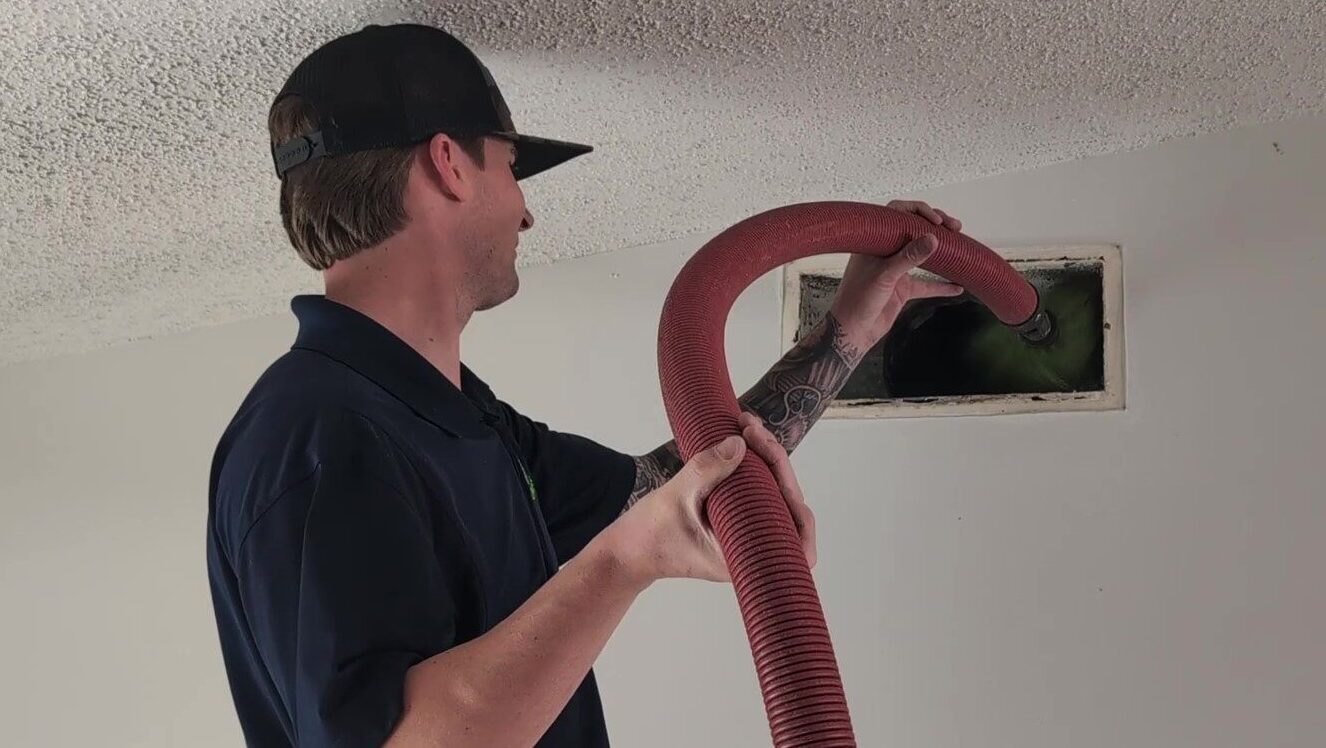
One of the most important things any duct cleaning guide should explain is that duct cleaning is not just someone vacuuming near a vent. Proper duct cleaning is a more thorough process meant to remove built-up dust and debris from the HVAC system and ductwork. NADCA explains that proper cleaning is based on source removal, using continuous negative pressure along with agitation tools like brushes, air whips, or compressed air devices to dislodge debris so it can be removed from the system. Our duct cleaning process includes this and more.
That matters because homeowners should know what they are actually paying for. Real duct cleaning is not about a quick surface wipe. It is about addressing contamination and buildup inside the system in a more complete way.
For homeowners, the practical takeaway is simple: if you are considering duct cleaning, you want the work done thoroughly and honestly. You want the goal to be cleaner ductwork and a cleaner system, not a rushed in-and-out service. If your main concern is overall airflow and system upkeep too, it also makes sense to read AC maintenance guide so you can connect duct cleaning with the rest of your system care.
When duct cleaning helps most
A trustworthy duct cleaning guide should be honest and say this clearly: duct cleaning helps most when there is a real reason for it. Some of the most common reasons include visible dust concerns, post-construction debris, buildup over time, indoor air quality concerns, and homeowners simply wanting the system cleaned out after years of use. Unsure about indoor air quality? Read our Indoor Air Quality Guide for Florida Homes for more info.
This is where context matters. A home that was recently built or renovated may have drywall dust and fine debris that made its way into the system during construction. A home that has been lived in for several years may have accumulated ordinary dust and grime in the ductwork over time. A homeowner with pets, heavier dust load, or cleanliness concerns may also decide they want the added peace of mind that comes from a professionally cleaned system.
It is also worth noting that EPA guidance on indoor air quality emphasizes that indoor air concerns are often best addressed through source control and reducing pollutants at their source. In plain terms, that means identifying and dealing with what is actually contributing to the problem rather than just hoping it goes away on its own.
If you are already noticing dust or stale airflow and want to explore a real solution, give us a call, click here to schedule, or visit our duct cleaning page for more info.
Post-construction duct cleaning is a real need in Florida homes
One of the biggest reasons this Florida Homeowners Guide to Duct Cleaning matters is post-construction duct cleaning. This is especially relevant in Florida communities where new construction is common and in neighborhoods where homes may look spotless on the surface but still have dust and debris inside the duct system from the building process.
That is a major reason duct cleaning is such a strong fit in places with newer housing stock. Construction dust does not always stay neatly contained. During the build process, fine debris can make its way into ductwork even in homes that still feel brand new. That means a homeowner can move into a beautiful new house and still have good reason to think about duct cleaning as part of getting the home fully settled and cleaned out.
This is exactly why posts like your Grand Harbor content are such a strong fit for this pillar post. Many homes in communities like that are either newer and exposed to construction debris, or a few years old and starting to build ordinary dust and grime in the ductwork. If you want to connect this educational content to day-to-day comfort habits too, a smart next read is Air conditioner cooling tips.
Dust buildup and the signs homeowners notice first
A lot of homeowners do not start by thinking, “I need duct cleaning.” They start by thinking something feels off in the house.
Maybe there seems to be more dust collecting than expected. Maybe the vents look dirty. Maybe certain rooms feel a little stale. Maybe the home does not feel as fresh as it should even though the system is running. Those are often the kinds of practical, homeowner-level clues that bring people into a duct cleaning conversation.
NADCA’s homeowner guidance notes that signs of dirty ducts can include more noticeable dust and debris concerns, and that professional cleaning is intended to remove contaminants from the HVAC system and ductwork without worsening the indoor environment.
The key is not to panic over every dust problem. Some homes have filter issues. Some have housekeeping factors. Some have broader indoor air quality concerns. But when dust buildup feels excessive or ongoing, duct cleaning becomes a very reasonable thing to evaluate. If you want to work through the simpler airflow side first, read Home HVAC Filter Basics and then decide whether duct cleaning still makes sense as the next step.
Duct cleaning and airflow concerns
Another reason homeowners end up searching for a duct cleaning guide is airflow. They may not be dealing with a full no-cool issue, but they may feel like the system is not moving air as cleanly or comfortably as they would like. That does not always mean the ductwork is the whole problem, but it can be part of the bigger picture.
Duct cleaning is most helpful when it is part of a thoughtful whole-home view. If ductwork has accumulated meaningful dust and debris, cleaning it can support a cleaner pathway for conditioned air moving through the home. NADCA’s homeowner material also notes that HVAC system cleaning may help systems run more efficiently by removing debris from sensitive mechanical components and that clean systems are less likely to break down and generally operate more effectively than dirty systems.
That does not mean duct cleaning replaces repair or maintenance. It means it can complement them. If your concern is broader than cleanliness alone, the best next steps may be AC maintenance guide, AC Repair, or Duct Cleaning depending on what you are noticing.
Indoor air quality benefits homeowners care about
A strong duct cleaning guide should also connect the topic to something homeowners already care about: the feel of the air in the home. EPA explains that indoor air quality refers to the air quality within and around buildings as it relates to the health and comfort of occupants, and it notes that reducing indoor pollutant sources is one of the most effective ways to improve indoor air quality.
That is why duct cleaning matters to some homeowners even when their concern is not purely mechanical. They may care about dust levels, freshness, comfort, or just wanting the HVAC system to feel cleaner overall. Duct cleaning is not a cure-all for every indoor air issue, but it can absolutely be part of a cleaner-home strategy when there is a real buildup issue in the system.
This is also where your Indoor Air Quality category starts to connect naturally. A homeowner who begins with duct cleaning may later want to learn more about filters, airflow habits, or other ways to improve comfort. That is why Home HVAC Filter Basics and Air conditioner cooling tips are such important companion posts.
What homeowners should expect from a duct cleaning visit
One of the most practical parts of any duct cleaning guide is simply helping homeowners know what to expect. When you schedule professional duct cleaning, the process should feel organized, respectful, and thorough. Homeowners should not feel like strangers are rushing through the house doing mysterious work they cannot explain.
A good visit should include clear communication, a review of what is being cleaned, and a process built around doing the work carefully. NADCA describes proper cleaning as source removal using negative pressure and agitation tools to dislodge and remove debris from the system.
From the homeowner’s side, what matters most is confidence in the process. You want to know what is being addressed, why it makes sense, and what kind of result to expect. You also want a company that treats the home with respect and is willing to answer questions clearly. If you are the kind of homeowner who likes to understand the full home-comfort side of things, pair this with AC maintenance guide so you can see how duct cleaning fits into the bigger system picture.
What duct cleaning does not do
An honest Florida Homeowners Guide to Duct Cleaning should also explain what duct cleaning does not do. It does not automatically fix every comfort problem in the house. It does not replace proper HVAC repair when the system has a mechanical issue. It does not make filter care irrelevant. And it does not mean every single home needs the service on a rigid timeline.
That honesty matters because trustworthy companies do not try to make every service the answer to every problem. Duct cleaning is one valuable tool. It makes the most sense when the home and system actually support the need for it.
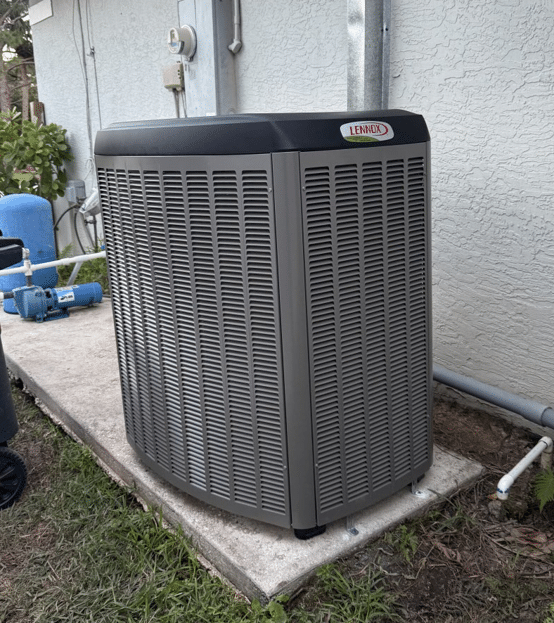
So if your system is not cooling, short cycling, leaking water, or showing signs of a real equipment issue, the next step may be AC Repair or AC Installation guide instead. If your concern is mostly about dust, duct buildup, and overall cleanliness, then Duct Cleaning may be the more relevant starting point.
How often homeowners should think about duct cleaning
A good duct cleaning guide should avoid pretending there is one perfect schedule for every home. The better way to think about duct cleaning is by condition and circumstance.
A homeowner may think about duct cleaning after construction, after a remodel, when dust buildup becomes more noticeable, when the home has aged a few years and they want a cleaner starting point, or when they simply want the duct system evaluated as part of broader indoor air quality concerns. Some homes will have stronger reasons than others.
That is part of why a conversation matters more than a blanket rule. The best decision is based on the home, the duct system, and what the homeowner is actually experiencing.
Choosing a company for duct cleaning matters
The final and maybe biggest point in this duct cleaning guide is that the company matters. Homeowners are not just choosing a service. They are choosing who they trust in the home, who they trust to be honest about whether the service is actually needed, and who they trust to do the work thoroughly.
That means homeowners should want a company that is straightforward, respectful, and detail-oriented. They should want clear answers, not scare tactics. They should want a team that understands home comfort as a whole, not just one service in isolation. And they should want a company that can connect duct cleaning to related concerns like airflow, maintenance, repairs, and long-term system care.
If you want to know more about the type of company you are inviting into your home, visit About Family Air Experts. If you are already leaning toward service, go straight to Duct Cleaning and start the conversation.
Helpful outside resources for homeowners
If you want to keep reading from trusted outside sources, these are two useful homeowner resources to review:
EPA Indoor Air Quality(https://www.epa.gov/indoor-air-quality-iaq)
NADCA Homeowner Guides and Tips About Air Duct Cleaning(https://nadca.com/homeowners/homeowner-guides-and-tips-about-air-duct-cleaning)
EPA’s indoor air quality resources explain that indoor air quality is tied to health and comfort and that source control is usually the most effective improvement strategy. NADCA’s homeowner resources explain proper cleaning methods, common signs of dirty ducts, and how professional HVAC system cleaning is intended to work.
If you are done reading and ready to apply this to your own home, we are ready to help! Give us a call now or schedule a free in home estimate online.
Final thoughts
A good duct cleaning guide should help homeowners make a smarter decision, not a rushed one. It should explain what duct cleaning is, when it helps, why post-construction and dust buildup matter, how it connects to airflow and indoor air quality, and what a homeowner should expect from the process.
For Florida homeowners, duct cleaning is especially relevant because so many homes are either newer, recently updated, or running cooling systems hard for much of the year. In the right home, duct cleaning can be a very practical part of cleaner airflow, better system care, and a more comfortable indoor environment.
If you are dealing with noticeable dust, thinking about post-construction cleanup, or simply wondering whether your ductwork could use attention, start with a conversation. Family Air Experts is here to help homeowners across the Treasure Coast with honest recommendations and professional Duct Cleaning when it truly makes sense.
Duct cleaning rarely happens in isolation. Our dryer vent cleaning guide covers the other side of the same problem, you can see what the work looked like at Harbour Isle, and there is currently $50 off any duct cleaning among our special offers.
Comments are closed