

If you’re running into a problem with your AC company out of business, we can help get your AC problems solved.
You may have purchased a new system from the company, enrolled in a maintenance plan, received a labor warranty, or expected the installer to help if a covered component failed. Suddenly losing access to that contractor can leave you wondering whether your equipment, warranty, and previous investment still have any value.
The good news is that your AC system does not become unusable simply because the original company is no longer available. Another properly licensed HVAC contractor may be able to inspect, maintain, diagnose, and repair the equipment.
A separate manufacturer warranty may also remain active according to its written terms. However, labor warranties, maintenance plans, workmanship guarantees, and other promises issued directly by the former contractor must be considered separately.
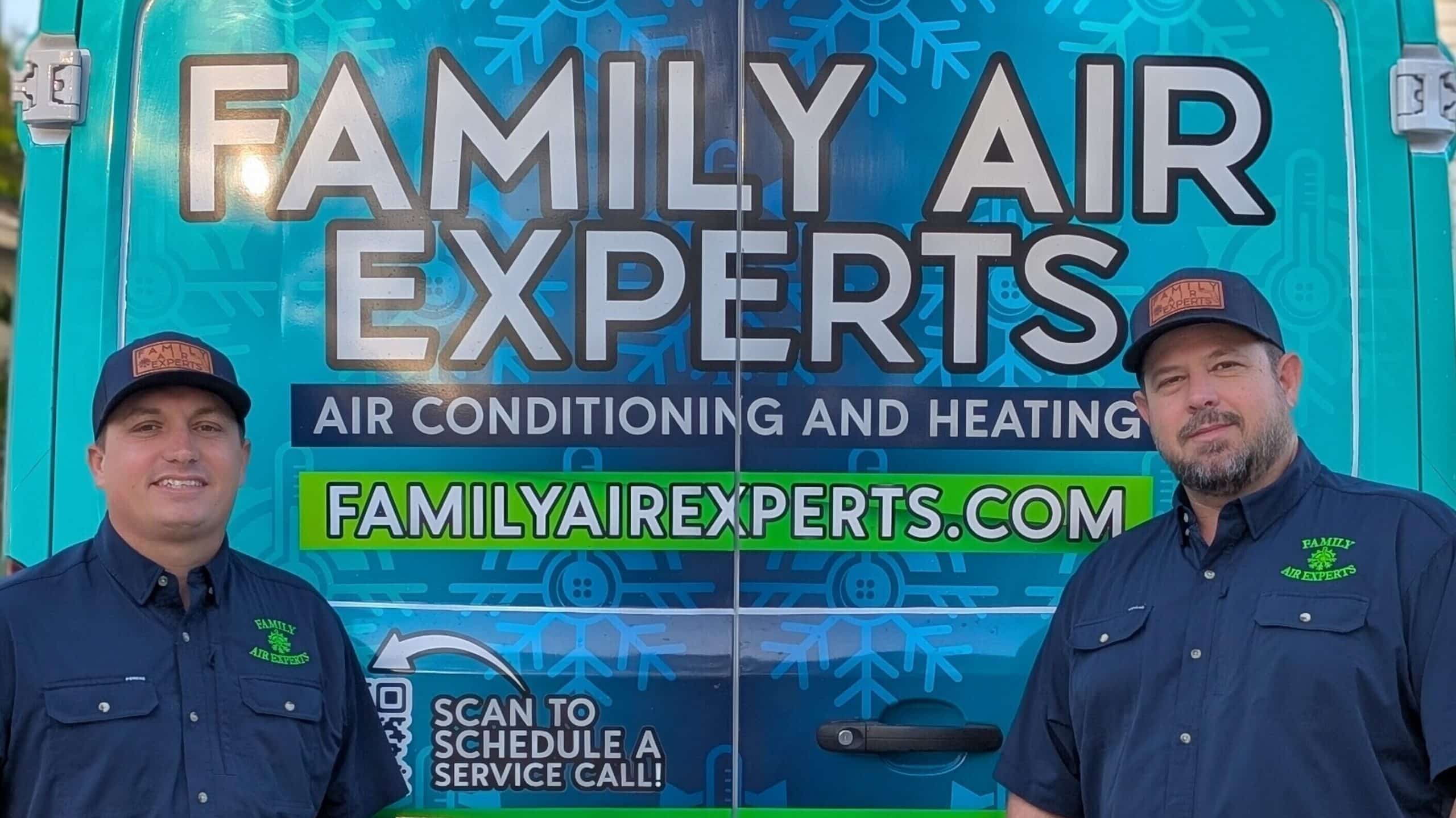
Family Air Experts helps homeowners throughout Fort Pierce, Port St. Lucie, Vero Beach, Stuart, and surrounding Treasure Coast communities with systems installed by other HVAC companies. We can review the equipment, diagnose current problems, check available manufacturer coverage, and help process eligible manufacturer warranty claims whenever possible.
Table of Contents
1. Do Not Assume Your Entire AC Investment Is Lost
Finding your AC company out of business can be frustrating, but it does not automatically mean you need to replace the equipment.
Another licensed contractor may be able to:
- Maintain the system
- Diagnose cooling or heating problems
- Replace failed components
- Evaluate the existing installation
- Review manufacturer warranty information
- Process eligible parts claims
- Correct certain installation concerns
- Provide future maintenance and repair service
Whether the system should be repaired or replaced depends on its age, condition, repair history, installation quality, refrigerant type, and the cost of the current repair.
The availability of the original installer is only one part of that decision.
Be cautious if someone recommends immediate replacement simply because the installing company is gone. The equipment should be inspected and diagnosed before a major recommendation is made.
Our Complete AC Repair Guide explains how a technician separates the symptoms you are experiencing from the actual cause of the problem.
Family Air Experts can provide an independent evaluation when you need another company to look at equipment we did not originally install.
2. Identify Which Type of Warranty or Agreement You Have
Homeowners often use “warranty” to describe several different kinds of coverage. When an HVAC contractor went out of business, identifying who issued each agreement becomes especially important.
HVAC manufacturer warranty
An HVAC manufacturer warranty is issued by the company that manufactured the equipment.
Depending on the system and written warranty terms, it may provide a qualifying replacement component when a covered part fails. The manufacturer is separate from the company that sold and installed the equipment, so the original contractor becoming unavailable does not automatically terminate the manufacturer’s obligations.
The Federal Trade Commission recommends reviewing the written warranty to determine what is covered, what is excluded, how long coverage lasts, and whether the customer must pay labor or other claim-related expenses.
Contractor labor warranty
A labor warranty is normally issued by the contractor that completed the installation or repair.
It may cover some or all of the technician’s labor for a certain period. Another independent HVAC company generally cannot assume the original contractor’s labor obligation simply because it agrees to service the equipment.
Even when the manufacturer supplies a covered replacement part, the homeowner may still be responsible for labor and other costs.
Extended service agreement
An extended service agreement may provide additional parts, labor, or repair benefits beyond the standard manufacturer warranty.
This agreement may have been issued or administered by:
- The equipment manufacturer
- A third-party warranty administrator
- The installing contractor
- A home-warranty provider
- Another service-contract company
Check the agreement for a separate administrator, claims phone number, contract number, or instructions. The plan may still have value even when the original installer is unavailable.
Maintenance agreement
A maintenance agreement typically covers scheduled tune-ups or membership benefits provided by the HVAC company.
It is not normally the same as the manufacturer’s equipment warranty. Another independent contractor does not automatically receive the responsibility or payment for unused visits remaining under the previous company’s plan.
Gather every document you have before assuming that all coverage has disappeared.
3. Collect Your Equipment and Installation Records
The next HVAC company will need information about the system before it can investigate warranty coverage or previous work.
Look for:
- Original installation proposal
- Final invoice
- Model numbers
- Serial numbers
- Approximate installation date
- Warranty-registration confirmation
- Manufacturer warranty certificate
- Labor-warranty documents
- Extended-service-plan paperwork
- Maintenance records
- Previous repair invoices
- Permit or inspection records
- Emails or text messages about the installation
Do not panic if you cannot find everything.
The model and serial labels on the equipment usually provide a strong starting point. A split AC system generally has separate information for the outdoor condenser or heat pump and the indoor air handler or evaporator coil.
Take clear photographs of each accessible label. Make sure the entire label is visible and the model and serial numbers are readable.
Photographs are usually better than copying the information by hand because it is easy to confuse letters and numbers in a long serial number.
When contacting Family Air Experts, send us photographs of the indoor and outdoor labels along with any invoices or warranty paperwork you have.
4. Check Whether the Manufacturer Warranty Is Still Available
Once you have the model and serial numbers, another contractor can begin checking the manufacturer’s records.
The manufacturer or contractor may request:
- Model number
- Serial number
- Installation address
- Property ZIP code
- Homeowner’s name
- Approximate installation date
- Residential or commercial use
A warranty lookup can show what coverage may be associated with the equipment, but it does not confirm that a particular repair will be approved.
The system must still be diagnosed. The contractor needs to identify which component failed, why it failed, and whether the failure meets the written warranty terms.
Manufacturer coverage may not include:
- Diagnostic charges
- Technician labor
- Refrigerant
- Shipping or freight
- Processing charges
- Installation materials
- Access modifications
- Maintenance-related failures
- Storm or electrical damage
- Installation corrections
- Components excluded by the warranty
A part being listed under warranty does not necessarily make the complete repair free.
Family Air Experts can explain the available manufacturer coverage and anticipated homeowner expenses before completing approved work whenever that information can be verified.
Homeowners with Goodman equipment can also review our Can Another HVAC Company Honor My Goodman Warranty? guide for more specific information about how Family Air Experts can carry out your Goodman Warranty Claims
5. Understand Florida HVAC Warranty Protections
Florida has specific laws addressing manufacturer warranties on HVAC equipment.
Florida Statute 559.957 states that the full length of a manufacturer’s, distributor’s, or retailer’s HVAC warranty begins on the installation date when the system was installed by a properly licensed contractor. It also states that the warranty may not be conditioned on product registration.
Homeowners can review the official wording through Florida Statute 559.957.
This means Florida homeowners should not automatically assume that their manufacturer coverage disappeared simply because they cannot locate a registration confirmation.
The equipment model, installation date, written warranty terms, cause of failure, and other eligibility requirements still matter. The law also does not convert a manufacturer parts warranty into free labor coverage.
Florida separately provides automatic manufacturer-warranty transfer protections when qualifying residential property containing the HVAC system is conveyed to a new owner on or after July 1, 2024. The existing warranty continues for its remaining term and may not be charged a transfer fee under the statute’s conditions.
Those protections apply to the manufacturer warranty. They do not necessarily transfer:
- Contractor labor warranties
- Maintenance memberships
- Workmanship guarantees
- Prepaid service visits
- Third-party plans
- Verbal promises made during the original sale
A Florida HVAC warranty should therefore be reviewed based on who issued it and what the written terms actually cover.
Our 252 License and Manufacturer Warranty Help page explains how Family Air Experts assists homeowners with eligible manufacturer warranty claims.
6. Find Another Properly Licensed AC Contractor
One of the first questions homeowners ask is, “Can another company service my AC?”
In most situations, another properly licensed HVAC contractor can inspect and service equipment installed by a different company. Manufacturer-specific claim procedures may still apply when a covered part is involved.
Goodman, for example, states that homeowners may use any licensed contractor to maintain their equipment and perform work in accordance with the limited warranty. Family Air Experts is in great standing with Goodman and is completely able to handle any Goodman repairs and warranty requests.
When evaluating a new HVAC contractor, ask:
- Do you service systems installed by other companies?
- Can you verify manufacturer warranty information?
- Do you process eligible manufacturer parts claims?
- What diagnostic fee will apply?
- What costs remain if the part is covered?
- Will I receive a written diagnosis?
- Will you explain the repair before ordering parts?
- What warranty applies to the work you perform?
- Can you maintain the system going forward?
- Are you properly licensed for this work?
Family Air Experts services equipment installed by other companies throughout the Treasure Coast and can help determine the best next step for your system.
7. Have the System Diagnosed Before Assuming the Warranty Applies
An online warranty lookup cannot tell you why the air conditioner stopped working.
The problem may involve:
- Electrical components
- Thermostat or controls
- Indoor blower motor
- Outdoor fan motor
- Refrigerant charge
- Refrigerant leaks
- Evaporator coil
- Condenser coil
- Compressor
- Drainage
- Airflow
- Ductwork
- Installation conditions
A technician must inspect and test the system before determining whether a manufacturer-covered component has failed.
Once the diagnosis is complete, ask the contractor to explain:
- What failed
- What caused the failure
- Whether the component appears to be covered
- What labor is required
- Whether refrigerant is needed
- What additional materials are necessary
- What the homeowner will owe
- What warranty will apply to the completed repair
Be careful with anyone who promises a completely free warranty repair before inspecting the equipment and reviewing the written coverage.
Family Air Experts will explain the diagnosis and available options before asking you to approve the work.
8. Establish a New Service History
Once you find another contractor, begin building a complete service history with the new company.
Keep copies of:
- Diagnostic reports
- Maintenance invoices
- Repair invoices
- Warranty claim documents
- Replacement-part information
- Model and serial photographs
- Refrigerant records
- Installation corrections
- Membership agreements
- Future proposals
Routine maintenance also gives the new contractor an opportunity to become familiar with the system before an emergency occurs.
A maintenance visit may uncover concerns involving drainage, electrical components, airflow, refrigerant performance, cleanliness, or general equipment condition. It cannot prevent every breakdown, but it gives the homeowner more information about how the system is performing.
Our AC Maintenance Guide explains what homeowners should expect from ongoing HVAC maintenance in Florida.
Schedule your next maintenance visit rather than waiting until the first emergency with your new contractor.
What Happens to a Prepaid Maintenance Plan?
A prepaid maintenance plan is usually an agreement between the homeowner and the company that sold it.
Another HVAC contractor does not automatically receive the funds or responsibility for the unused visits.
Gather:
- The signed agreement
- Payment receipt
- Credit-card statement
- Remaining visit schedule
- Emails and text messages
- Membership terms
- Cancellation or refund provisions
Depending on the situation, you may need to contact the business, service-plan administrator, payment provider, appropriate government agency, or a qualified legal professional.
Family Air Experts cannot transfer unused visits purchased from another company, but we can help establish a new maintenance plan for the equipment going forward.
What Happens to the Original Labor Warranty?
A contractor labor warranty is different from the manufacturer warranty.
The original installer may have promised to provide technician labor for a certain number of years. When the AC installer is no longer in business, another independent contractor has generally not been paid to fulfill that promise. Family Air Experts can review your warranty coverage and explain what is covered.
The new company may charge for:
- Diagnosis
- Technician labor
- Refrigerant
- Materials
- Warranty processing
- Transportation
- Testing
- Additional corrections
Check whether the labor coverage was issued solely by the contractor or through a separately administered extended service agreement.
A third-party agreement may still have its own claims process even when the original installer cannot assist you.
Send Family Air Experts a copy of the coverage document, and we can help identify what kind of agreement you have.
What If the Original Installation Has Problems?
Another contractor may uncover installation concerns while inspecting or repairing the system.
Possible concerns include:
- Improper drainage
- Unsupported piping
- Air leakage
- Electrical issues
- Incorrect equipment setup
- Inadequate airflow
- Poorly sealed duct connections
- Access limitations
- Improper equipment support
- Mismatched components
A manufacturer warranty normally applies to covered equipment or component failures under its written terms. It may not pay to correct workmanship performed by the original installer.
The new contractor should document what was found and explain:
- Whether it affects current operation
- Whether it presents a safety or property concern
- Whether it requires immediate attention
- Whether the correction can wait
- What the corrective work will cost
- What warranty applies to the new work
Ask for photographs, test results, and a written scope before approving major corrective work whenever practical.
Should You Repair or Replace the System?
An AC company out of business does not automatically mean the system should be replaced.
Repair may make sense when:
- The system is relatively young
- A qualifying component remains under warranty
- The equipment is otherwise in good condition
- Parts are readily available
- The repair cost is reasonable
- Major failures have not been recurring
Replacement may deserve consideration when:
- The system is approaching the end of its useful life
- Major repairs are becoming frequent
- The equipment has extensive corrosion or damage
- Repair costs are significant
- Parts are difficult to obtain
- Serious installation concerns exist
- Comfort or humidity problems continue
- The homeowner wants improved efficiency or features
Family Air Experts can explain both options when appropriate. The original contractor’s absence should not be used as pressure to replace a system that can still be repaired responsibly.
Our What to Expect From a Free AC Estimate page explains how we approach replacement evaluations when a new system becomes the better option.
Frequently Asked Questions
Is my manufacturer warranty still valid if my AC company is out of business?
It may be.
The contractor becoming unavailable does not automatically determine the status of a separate manufacturer warranty. Coverage depends on the equipment, installation date, written terms, cause of failure, and applicable Florida requirements.
Can another HVAC company repair my AC?
Yes. Another properly licensed HVAC contractor can generally inspect and repair equipment installed by a different company.
Manufacturer-specific procedures may apply when the repair involves a potentially covered component.
Will the new contractor honor my original labor warranty?
Another independent contractor generally cannot assume the original company’s private labor warranty.
The new contractor may charge for labor and other expenses even when the manufacturer provides a covered replacement part.
What if I cannot find the original invoice?
Take clear photographs of the indoor and outdoor model and serial labels.
Also gather any permit records, previous service invoices, warranty emails, proposals, or property-closing documents you can locate.
What if the equipment was never registered?
Do not immediately assume all manufacturer coverage is gone. Florida law states that qualifying HVAC manufacturer, distributor, or retailer warranties may not be conditioned on product registration.
The system and applicable warranty terms should still be reviewed individually.
Can I use a different company for maintenance?
Yes. Another licensed HVAC company can maintain the system and begin documenting future service.
Does Family Air Experts service systems installed by other companies?
Yes.
Family Air Experts regularly inspects, maintains, and repairs equipment installed by other HVAC contractors throughout the Treasure Coast. We may also be able to help process eligible manufacturer warranty claims after the system has been diagnosed and coverage has been verified.
You Still Have a Path Forward
Discovering your AC company out of business can interrupt your service relationship, but it does not mean you are out of options.
Your equipment can still be inspected and serviced. A manufacturer warranty may still provide value. An extended service agreement may have its own administrator. Another licensed HVAC contractor can help you understand the condition of the system and what it will take to move forward.
Begin by collecting your equipment labels, invoices, warranty documents, and maintenance records. Then choose a licensed local contractor willing to diagnose the system and clearly explain the difference between manufacturer coverage and the original contractor’s promises.
Family Air Experts is happy to:
- Inspect systems installed by another company
- Diagnose current AC problems
- Verify available manufacturer warranty information
- Help process eligible manufacturer claims
- Explain covered and non-covered costs
- Provide future repair and maintenance service
- Discuss replacement only when it deserves consideration
Call Family Air Experts or schedule online for a straightforward equipment and warranty evaluation. We will help you identify the next step without treating your situation like a dead end.
No responses yet